
Our approach
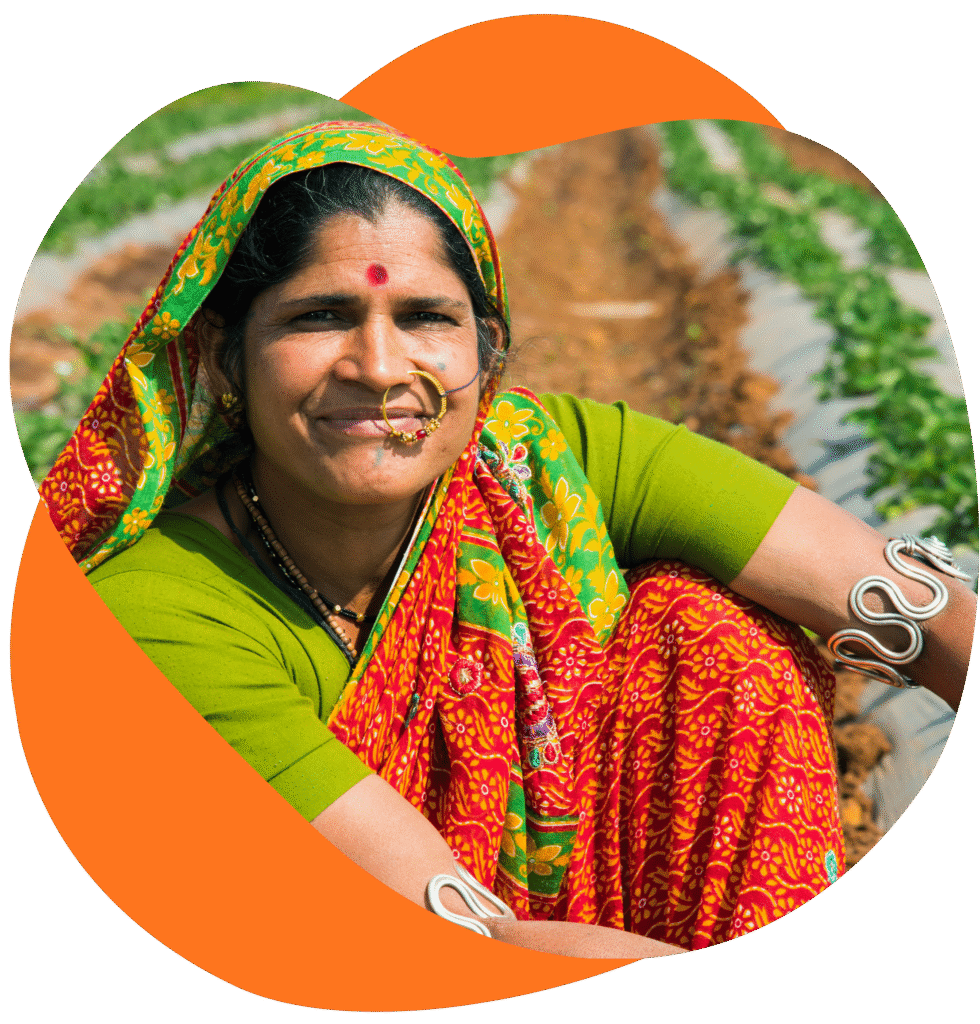
Landscape-level sustainability for long-term impact
Environmental and social challenges are closely connected. Our landscape approach looks beyond individual sites or sectors to understand how forests, farms, water, biodiversity and local communities interact.
We bring together communities, governments, businesses, civil society, researchers and other stakeholders to find practical solutions that work for both people and nature. Through shared planning, inclusive decision-making and long-term collaboration, we support sustainable land use, ecosystem restoration, climate resilience and stronger local livelihoods.
Deep knowledge across India’s key commodities
Rice, tea, rubber, coffee, bamboo and timber form the backbone of many rural economies across India. We bring dedicated experts to each sector, addressing the unique sustainability challenges these commodities present — improving yields and market access while promoting environmental stewardship and securing resilient livelihoods for the communities that depend on them.
No single actor can transform a landscape alone. We bring together local communities, private companies, and government agencies — facilitating dialogue and aligning goals so that solutions are well-coordinated and locally owned. Each project reinforces the others, forming a cohesive network of sustainable practices that addresses immediate challenges and builds the foundation for lasting resilience.
Built on collaboration, across every stakeholder
Our Focus Areas in India

Sustainable agroforestry and regenerative agriculture for resilient supply chains
Our sustainable agroforestry and regenerative agriculture activities enhance soil health, conserve water, and build resilience to climate change, all while integrating smallholder farmers into stronger, more resilient supply chains. By embedding these practices in key crops such as rice, coffee, rubber, and palm oil, we reduce environmental impacts, improve yields, and minimise dependency on costly chemical inputs. This approach opens market opportunities for smallholders, strengthening local economies and fostering responsible land use that sustains agricultural productivity over the long term.

Ecosystem restoration
Ecosystem restoration focuses on revitalising degraded forest areas, creating a balanced, biodiverse environment that benefits both the climate and local communities. Through natural regeneration, sustainable land management and community monitoring, we restore crucial ecosystems to the benefit of rural communities who rely on ecosystem goods and services for their livelihood and native wildlife suffering from habitat loss, while also mitigating climate change. Companies can further support these initiatives by investing in certified carbon credits, contributing directly to measurable, long-term ecosystem health.

Carbon sequestration and carbon credit certification
Our carbon sequestration projects—spanning afforestation, agroforestry, and soil carbon improvement—are designed to capture atmospheric carbon within natural ecosystems. By boosting carbon stocks in vegetation and soil, these initiatives provide climate benefits while enhancing ecosystem health. With our certification to offer carbon credits, companies have the opportunity to support measurable climate impact and invest in long-term sustainability.

Biodiversity conservation
Our biodiversity conservation initiatives are designed to protect vital habitats, promote species diversity, and involve local communities in conservation and monitoring practices. By enhancing the stability of ecosystems and preserving native flora and fauna, we support both environmental sustainability and social well-being. These efforts are foundational to maintaining ecosystem balance and offer direct benefits to local populations that depend on these resources.

Capacity building in sustainable Certification Standards
Our certification training programs empower farmers with essential skills in sustainable agriculture, financial management, and organisational practices. Through a Training of Trainers (ToT) model, farmers gain the tools to qualify for respected certifications such as Forest Stewardship Council (FSC), Sustainable Rice Platform (SRP), and Roundtable on Sustainable Palm Oil (RSPO), among others. The acquisition of certifications not only improve market access, but also encourage sustainable practices that boost yields and reduce the need for chemical inputs, creating sustainable livelihoods and reinforcing responsible practices across the supply chain.

Income-generating activities for livelihood improvement
We support rural communities by providing training and resources for income-generating activities. Programs focus on skills in agriculture, value-added production, and entrepreneurship, equipping individuals to build sustainable livelihoods. This approach offers participants the chance to achieve income security, which contributes to improved quality of life, strengthened community resilience, and a stable foundation for future growth.

Women’s economic empowerment and skill development
Empowering women is central to our community impact strategy. Through targeted skill development, we provide women with opportunities for income generation, leadership, and participation in local markets. By fostering financial management and entrepreneurial skills, these programs encourage economic independence and drive inclusive growth, reinforcing social progress across communities.
Let’s collaborate
Join us in building sustainable landscapes across India.